STRIDE Medical Device Systems
Services from strategy, road mapping and planning to system development, test planning, requirement and risk management, integration, development and engineering. STRIDE, based in Northern California, provides comprehensive consulting solutions to drive success and innovation in the medical device industry.

STRIDE
Systems
STRIDE can help develop a roadmap and determine the key aspects of your solution to architect and prototype for proving feasibility and refining your business case.Read more:
What are the Key Elements of the Systems Engineering mindset?
STRIDE
Test Planning
Define your test strategy to weigh key performance and reliability factors, and identify key requirements and specifications, leading to sound plans and protocols.


STRIDE
Requirements and Risk Management
STRIDE will help your organization perform Voice of Customer interviews, define key performance, usability and safety requirements, and Risk Management according to ISO-62366, ISO-14971 and other standards and guidances. STRIDE helps you develop a cohesive approach to usability, cybersecurity, and risk management.
"The right decision is the wrong decision if it’s made too late."
-Lee Iococca
Integration
Define a strategy to integrate key components and subsystems early on, evaluating workflows and identifying weaknesses early so they can be addressed with minimal cost.


Development
Determine which process improvements and tool integrations are most impactful for your organization. Follow the ISO 13485 framework and support audit preparation (internal, FDA), especially for your Project and Test Management groups.
"The right decision is the wrong decision if it’s made too late."
-Lee Iococca
Engineering
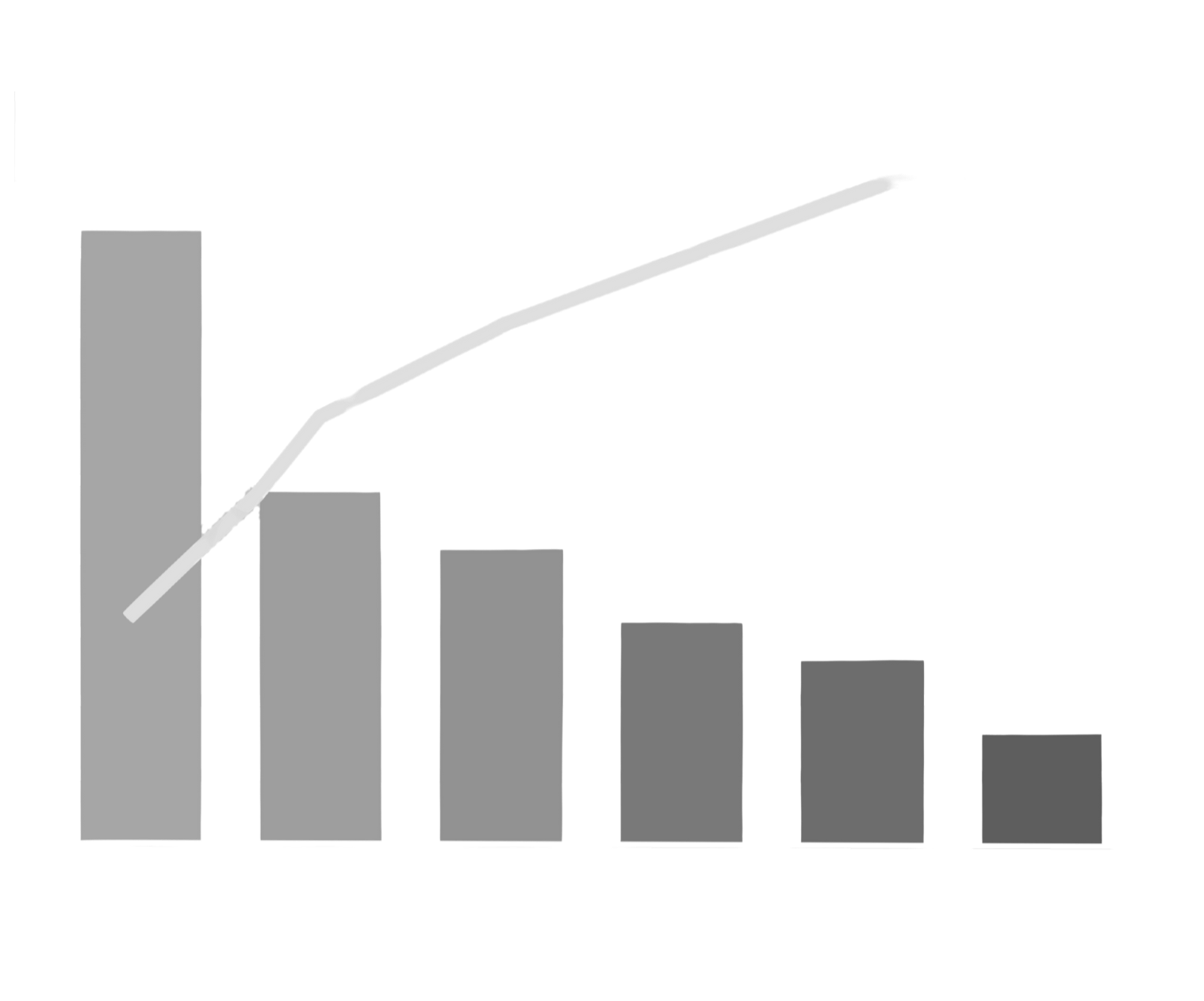
Use data analysis to evaluate KPIs, apply the Pareto principle and impact effort matrices to determine where to focus improvement efforts.
Contact
Stride is a medical device consulting service based in Northern California. Stride services are tailored to meet the specific needs of medical device companies, including strategy, road mapping and planning to system development, test planning to requirement and risk management, integration, development, and engineering.Fill out this form to contact STRIDE Med Dev Systems!
My drive and love of creating excellent work comes from my family. We prize communication and value each other's skills. My passion to develop Medical Devices, and to ensure that my efforts are focused on making the most impactful improvements come from the confidence that I can make meaningful improvements and the humility of knowing that I can always learn new things. The name "STRIDE" was inspired by my dog Strider, who has a beautiful stride and brings a love of life to every moment.I set goals for delivering safe and effective medical solutions to customers while meeting business needs. I have demonstrated leadership in medical device development, launch, and post-market support and update activities.Specialties: Systems Engineering, Leadership, Project Management, Software Development, Data Analytics, System Integration, Test Engineering, Collaboration, Workflow and Instrument Automation, Regulatory Strategy, Process, Requirements Management, and Agile Development.


What are the Key Elements of the Systems Engineering mindset?
Systems Engineering is able to describe the big picture and focus on the key drivers for success in the short and long term. This Systems Engineering mindset involves thinking inside and outside of the box. We can look to the wisdom and provocative thoughts of a diverse group of people from the investment, aviation, and technology industries.Systems Engineering helps look at the critical of the customer through inversion and risk analysis. Inversion is a tool that can help focus on what is most important and applicable. Charlie Munger, known for fun one-liners during Berkshire Hathaway annual meetings, provided excellent insights on inversion, risk, and when to go forward with a solution. When working as a weather forecaster in the Air Corp, instead of directly asking how to most effectively do his job, he inverted by asking “How can I kill these pilots?”. Munger arrived at this approach after determining who was using his forecasts (pilots) and how he could cause his customer the most harm. By asking the question this way, the highest risks (severity x probability) were evident to him, so he looked for conditions that could lead to planes icing or the pilots running out of gas (for example, due to conditions closing all airports in an area) [1]. Charlie Munger used this inversion approach when looking at investments, and this approach can be transferred into many areas, including healthcare and product development. Another challenge for many companies, startups and large companies alike, is how to go forward with an investment or a proposed solution, both in terms of sizing and timing. Charlie Munger said that in ROTC he learned “fire mortar shells or artillery shells one shot over, one shot short, and then kapow”. When there is a lot of debate regarding how to go forward, get enough data to know the key drivers (and risks), and test it out.A key skill of Systems Engineering is understanding the customer needs, and using this to drive a solution, rather than the technology driving the solution. Steve Jobs stated this well at an Apple Worldwide Developer’s conference shortly after re-joining Apple in 1997. "You’ve got to start with the customer experience and work backwards to the technology. You can’t start with the technology and try to figure out where you’re going to try to sell it, and I’ve made this mistake probably more than anybody else in this room.” [2]. We often hear about a technology, and wonder how we can use it. If we instead invert the problem, and ask “how can technology help us solve that problem?”, the customer is better served, as is the company providing the solution.The Systems approach to root cause identification and thoughtful integration is critical to building safe and effective solutions. Chesley “Sully” Sullenberger is well known as the pilot that successfully landed a plane on the Hudson after both engines were disabled after striking a flock of birds shortly after takeoff. Sullenberger had an interest in air safety, and advocated root cause analysis. In response to a question in 2015 as to why computers were good in aviation and mediocre in healthcare, Sullenberger responded that in the aviation industry “we take a systems approach. We look at it from end to end. We look at connectedness, the interrelatedness of all the things that we do, of the systems and the airplane, the human system, the technology system, and the air traffic control system.” [3]. In other words, we need to look at the system, the environment, all of the interactions and interfaces: the end user (beneficiary, patient), the operator, the product, its internal communications and communications with other products (e.g., electronic health record). Additionally, Sullenberger noted that while automation helps reduce common errors, “it can only manage what is foreseen and for which it’s been programmed.”, one should understand the limits of the system. Systems Engineering uses automation to help the user understand what is happening and appropriately address issues.The strength of the Systems Engineering mindset is the ability to learn lessons from other fields of expertise and apply those learnings to new relevant areas. This ability to integrate creates a synergy where the result is greater than the sum of the parts, and is needed for companies to succeed.
[1]“Charlie Munger on Mental Tricks and Overcoming Stupidity” from article Nov 17, 2020
[2]“20 Years Ago, Steve Jobs Demonstrated the Perfect Way to Respond to an Insult” article July 26, 2017
Video from 1997 Apple Worldwide Developers Conference
[3]“My Interview With Capt. Sully Sullenberger: On Aviation, Medicine, and Technology” article by Bob Wachter Feb 23, 2015